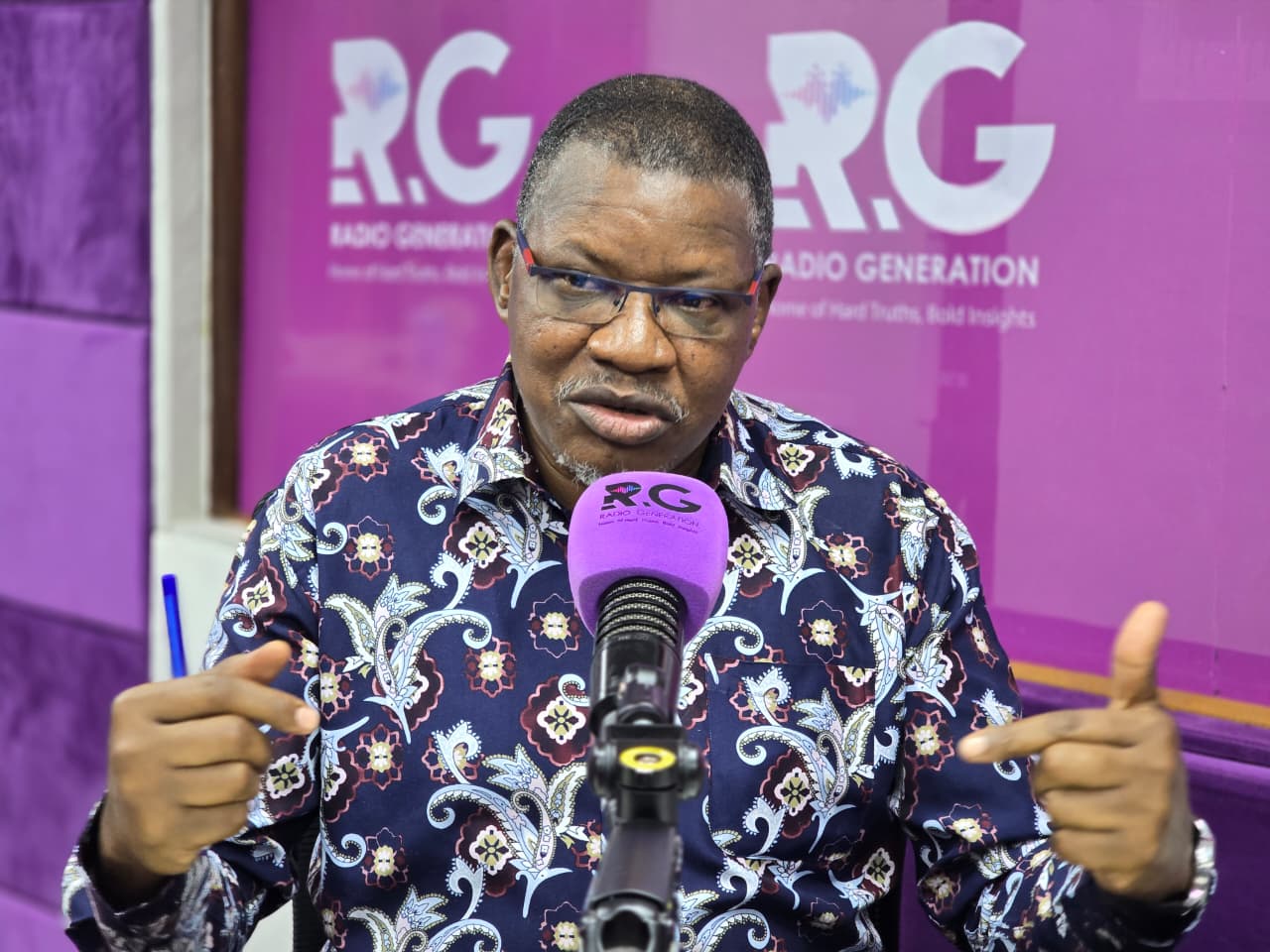
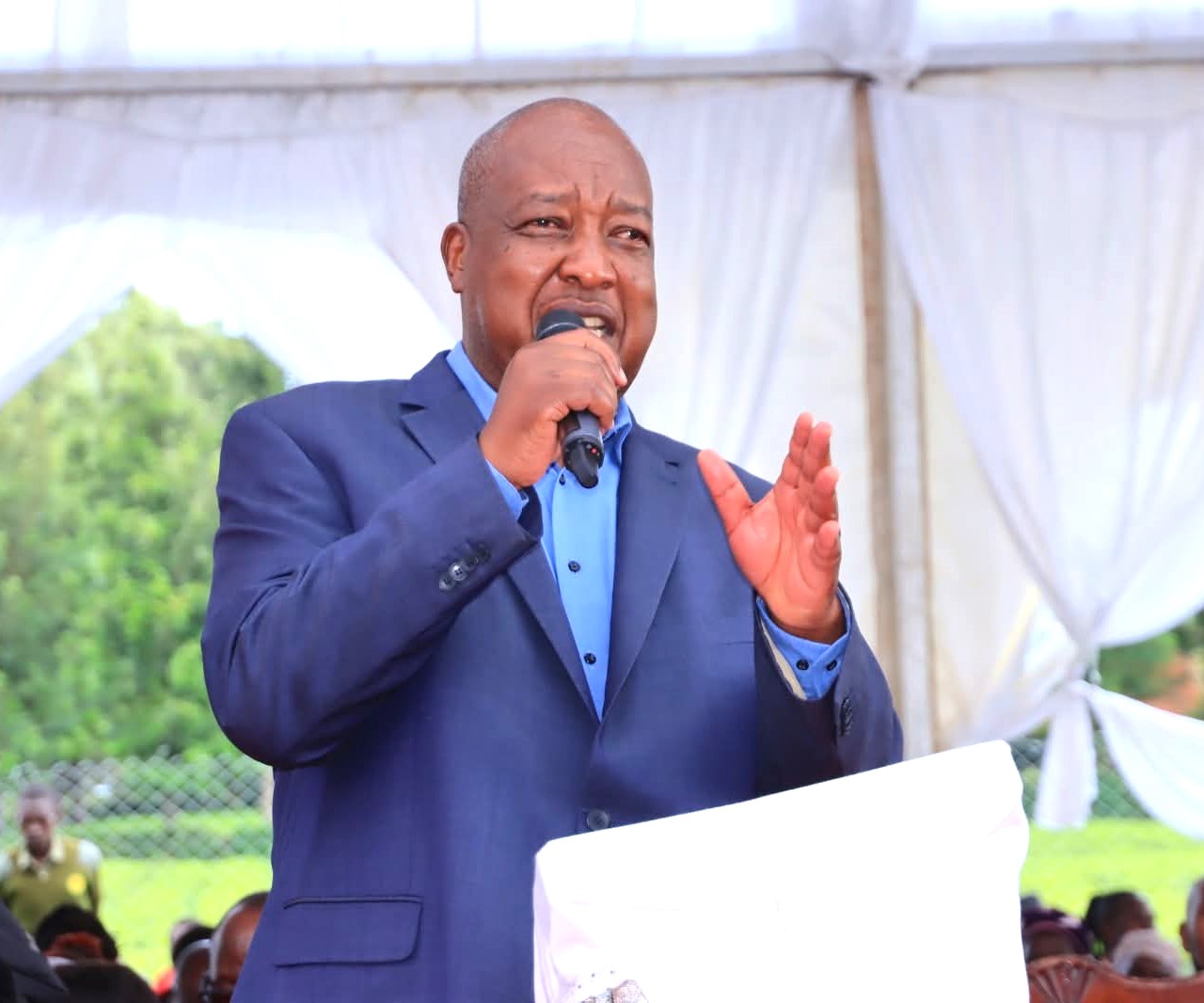
Strategy Advisor at the Elimu Bora Working Group, Boaz Waruku, has warned that poor planning, limited funding, and uneven infrastructure continue to undermine education reforms in Kenya.
Waruku said the country’s education system is buckling under the weight of rushed policy shifts and insufficient preparation, making it difficult to deliver on the promise of quality and equitable learning for all.
Speaking during an interview on Radio Generation, Waruku noted that while the Competency-Based Curriculum (CBC) was introduced to promote practical learning and skill development, its implementation has exposed deep gaps in planning and execution.
“The conundrum of education policy change in Kenya lies in its implementation challenges,” he said. “The planning aspect is what has drawn me, because policymakers and implementers do not have the mind to think long term.”
Drawing from his own academic research on education policy implementation, Waruku emphasized that true reform must be holistic, stretching from early childhood education all the way to postgraduate levels.
“As you start from pre-primary, you must be thinking university and post-doctorate in terms of that system, but they rarely do so,” he observed.
He explained that the shift from a theory-based education system to a hands-on model such as the CBC, requires much more than new syllabuses. It demands heavy investment in equipment, materials, and teacher retraining.
“To educate a child at that level, you now require more equipment, more materials to interact, and even the teachers themselves require retraining,” he said.
Waruku noted that although the government has described the process as “retooling,” Elimu Bora prefers the term “re-engineering” to capture the depth of transformation needed.
“These teachers were trained to facilitate learning in a traditional, theoretical way,” he said. “Now they must be re-engineered to guide learners in a more practical, competency-based environment.”
He pointed out that financing remains one of the most serious bottlenecks, saying many reforms falter because they are not matched with the resources required to sustain them.
Waruku also highlighted the need for fairness in resource allocation across schools.“We need to model holistic schools so that a public school in Nairobi offers the same quality of learning as one in any other rural area,” he explained.
He added that school management and community involvement are equally crucial, calling for stronger governance at the local level.
“If you do not address governance at the school level,how parents, teachers, and local leaders participate—then accountability and quality will suffer,” he said.
Waruku cited the confusion in Junior Secondary Schools over subject combinations as a clear sign of poor preparation.
“The subjects were so many, and they’re still wondering which ones should be combined or dropped,” he noted. “All these things show that the movement wasn’t properly planned.”
He urged policymakers to take a step back, plan thoroughly, and ensure every education reform is backed by clear strategies and sustainable funding.
“If we want quality education for all, we must think beyond the short term,” Waruku said.


























Comments
Sign in with Google to comment, reply, and like comments.
Continue with Google